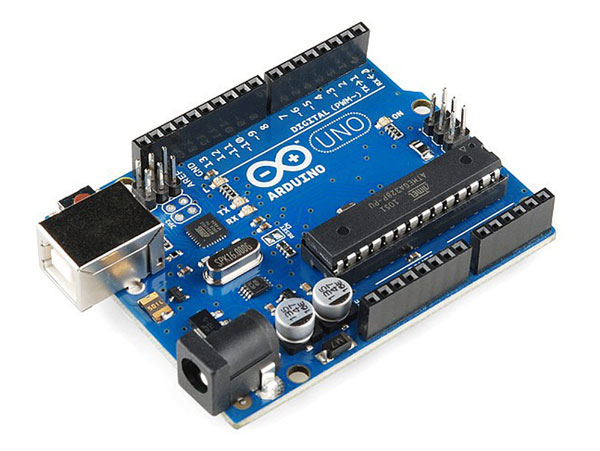
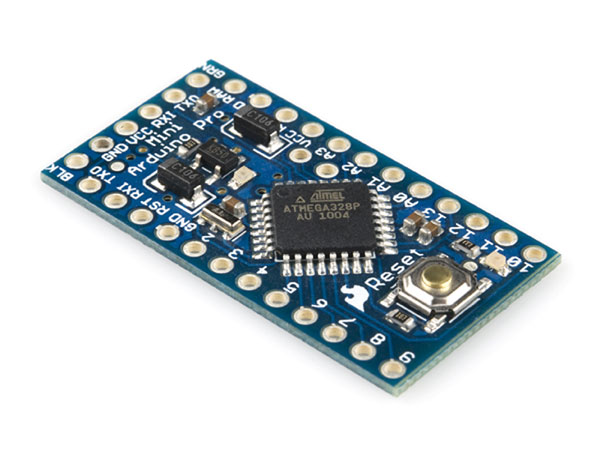
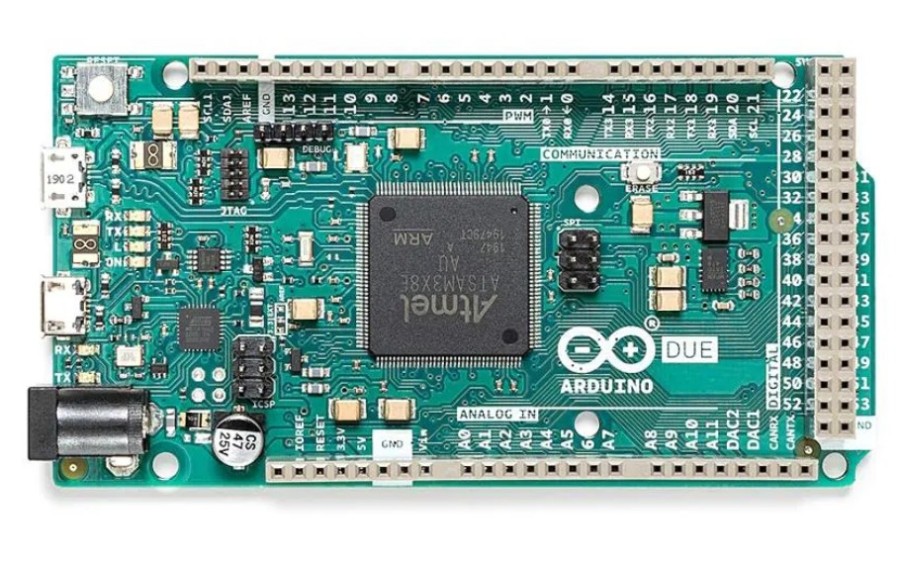
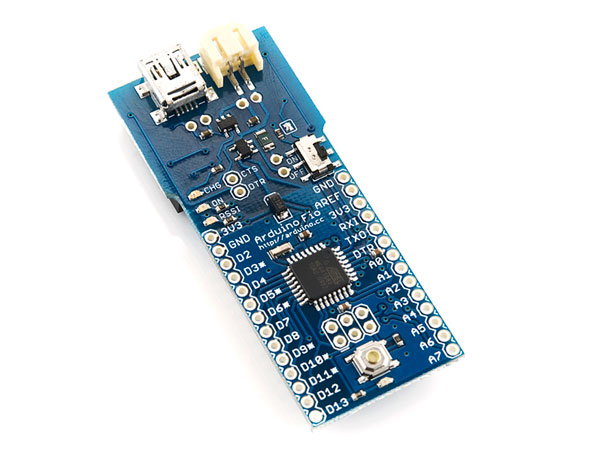
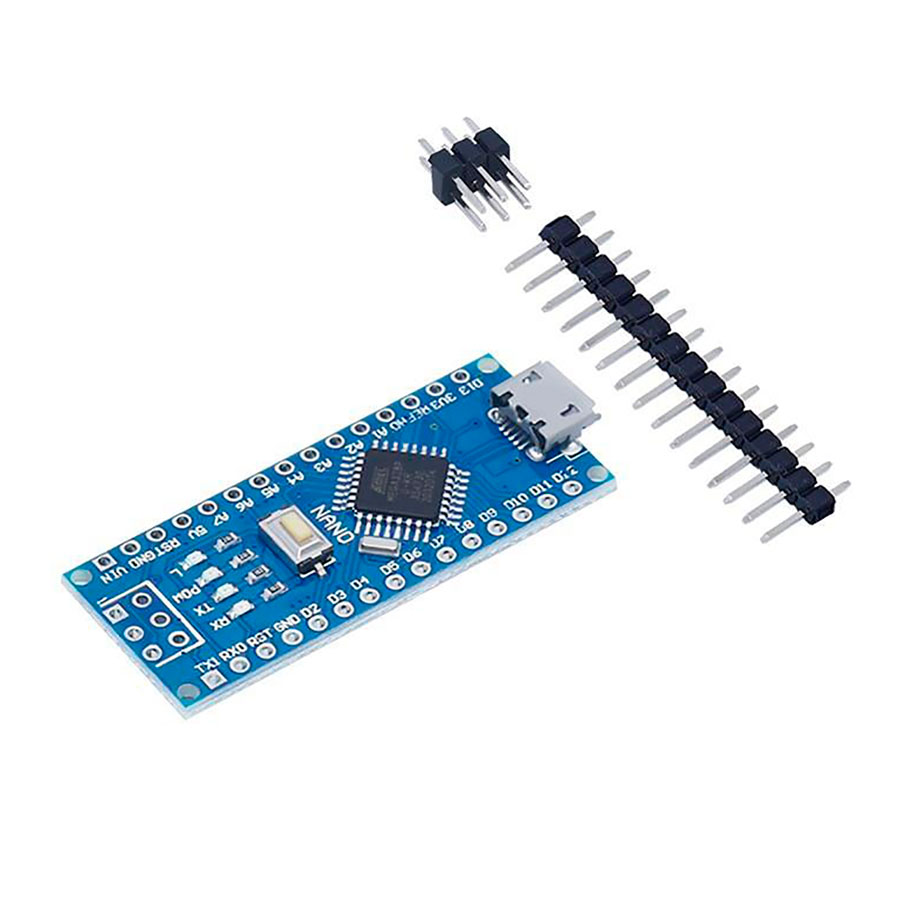
What is Arduino ?
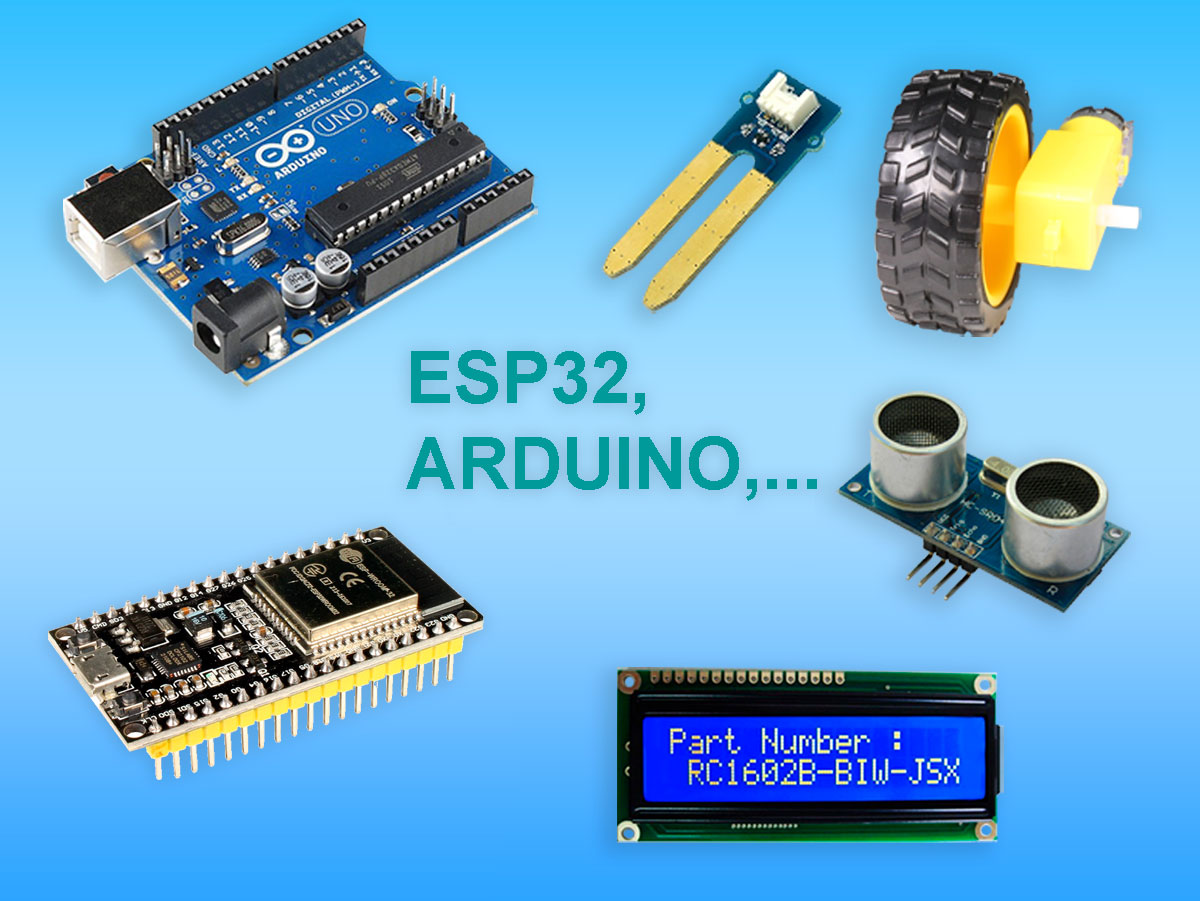
Arduino is an open source prototyping platform that allows users to create electronic projects.
Arduino consists of both a physical programmable circuit board (often referred to as a microcontroller) and a piece of software, or IDE (Integrated Development Environment) that runs on your computer, used to write and upload computer code to the physical board.
Arduino board design use various microcontrollers and microprocessors. Usually the hardware is using Atmel AVR microcontroller, and configured as a “minimum system.”
Additionally, expansion PCB known as Shields are pre-built circuit boards that fit on top of Arduino and provide additional capabilities: controlling motors, connecting to the internet, providing WiFi communication, controlling an LCD screen, etc.
Shields are also named to as Hat
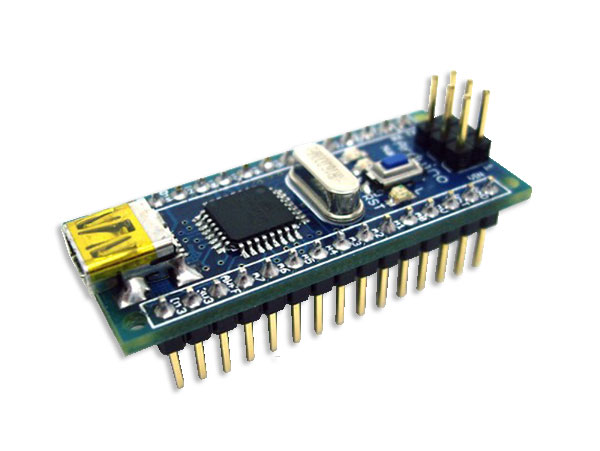
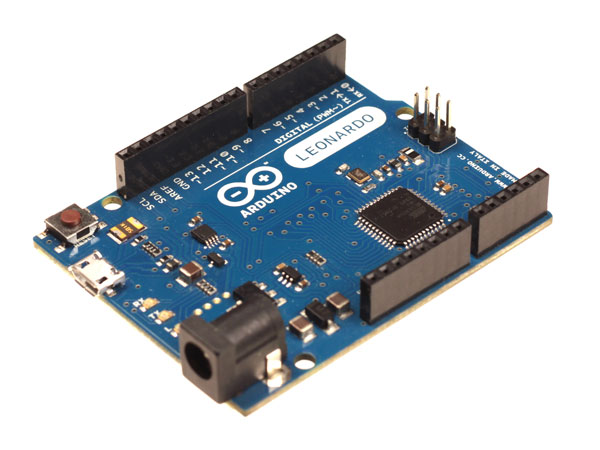
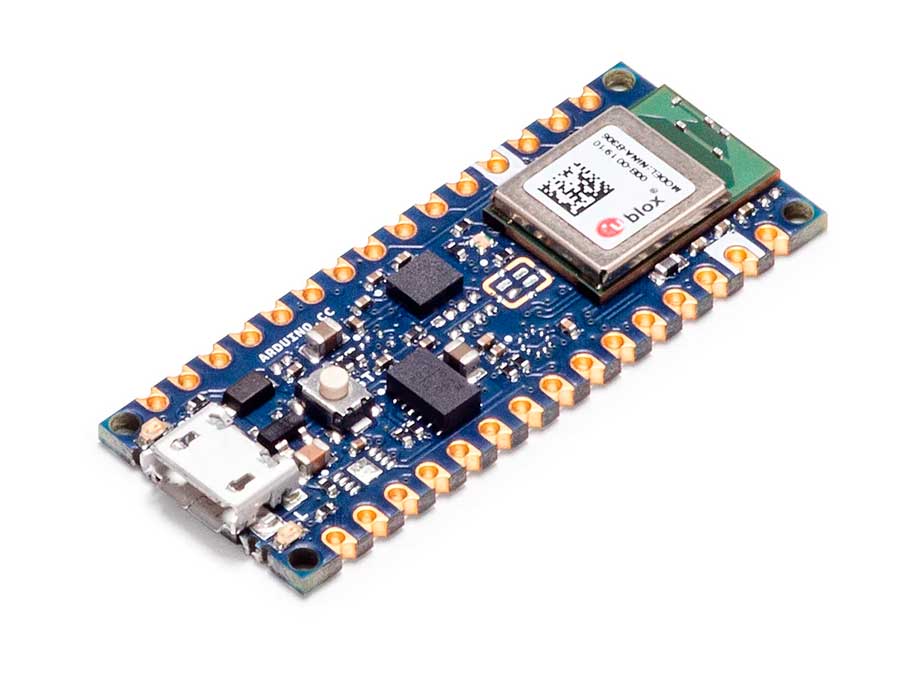
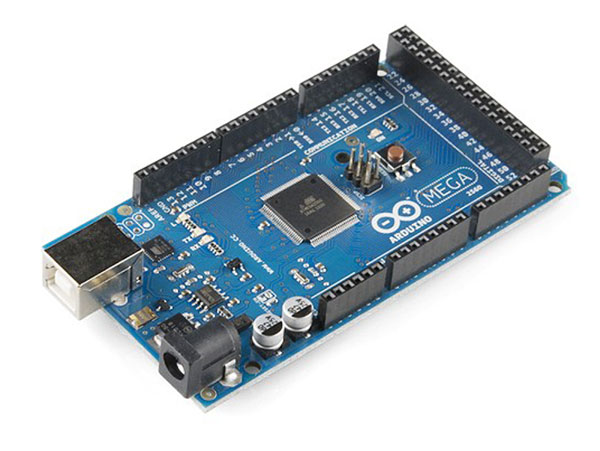
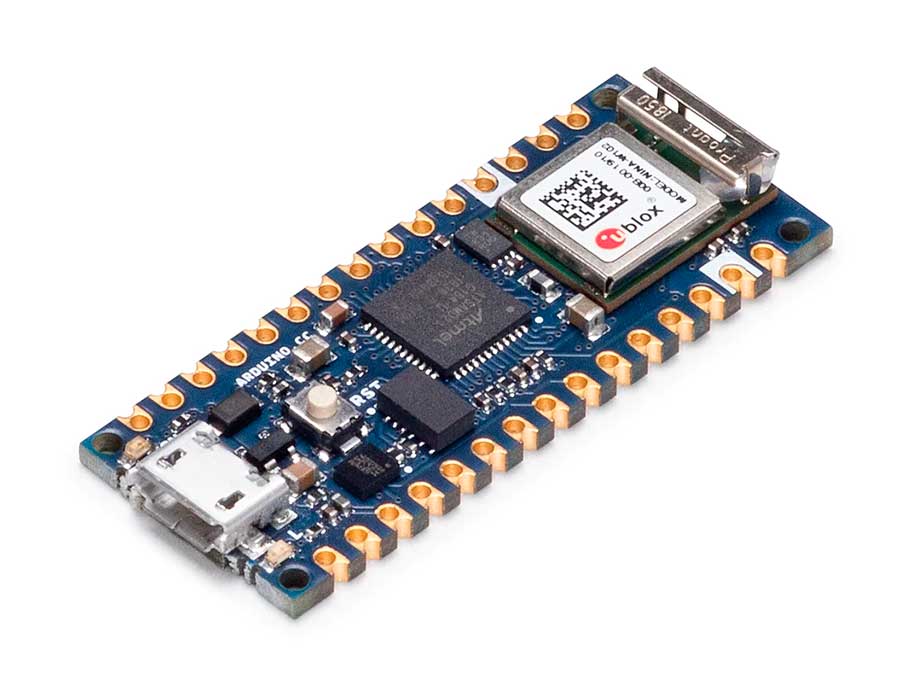
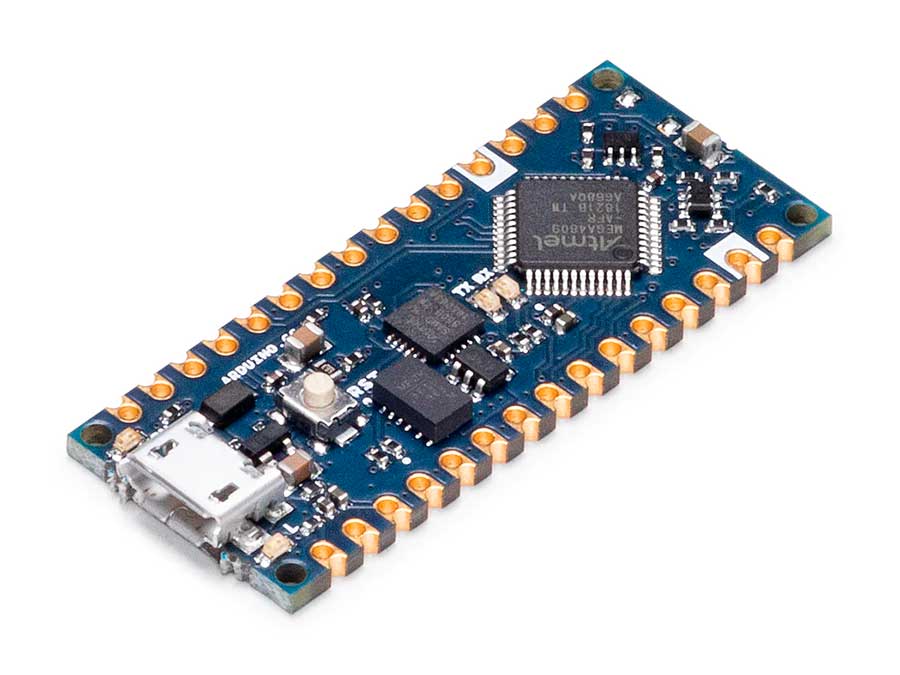
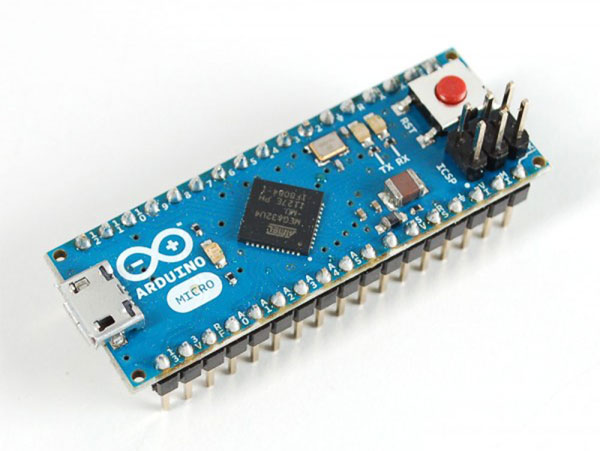
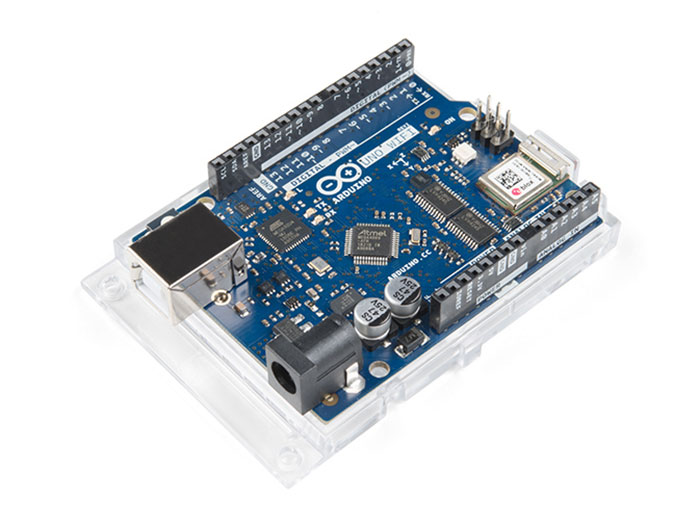
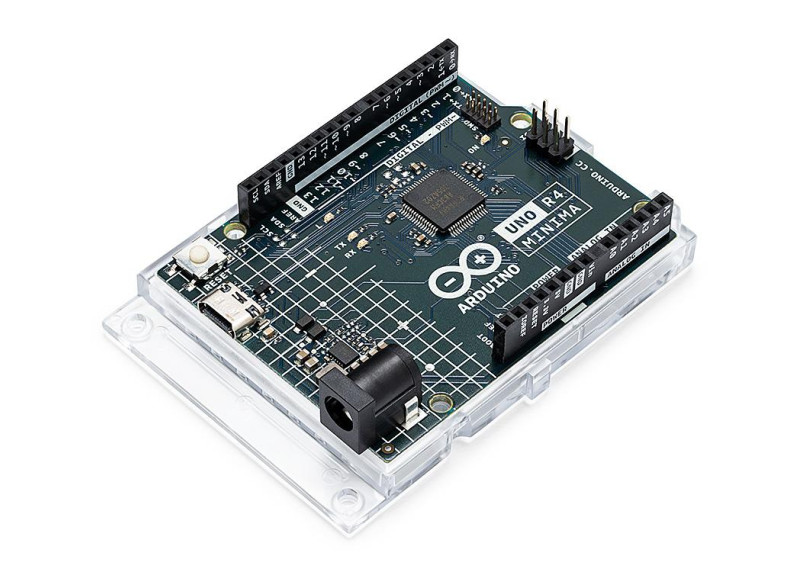
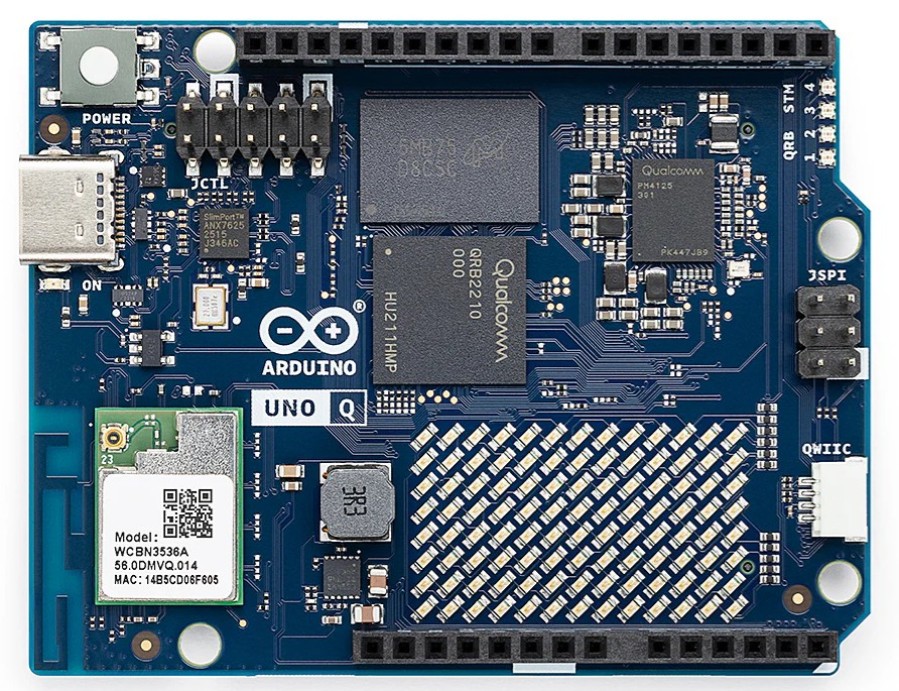
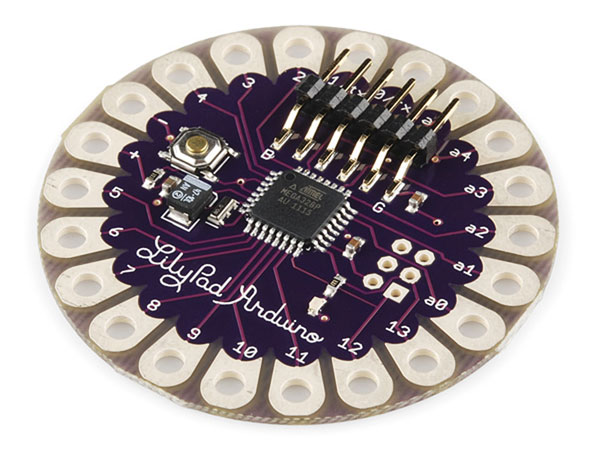
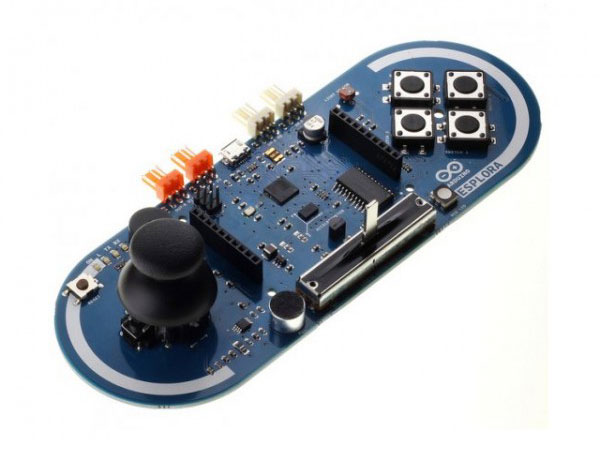
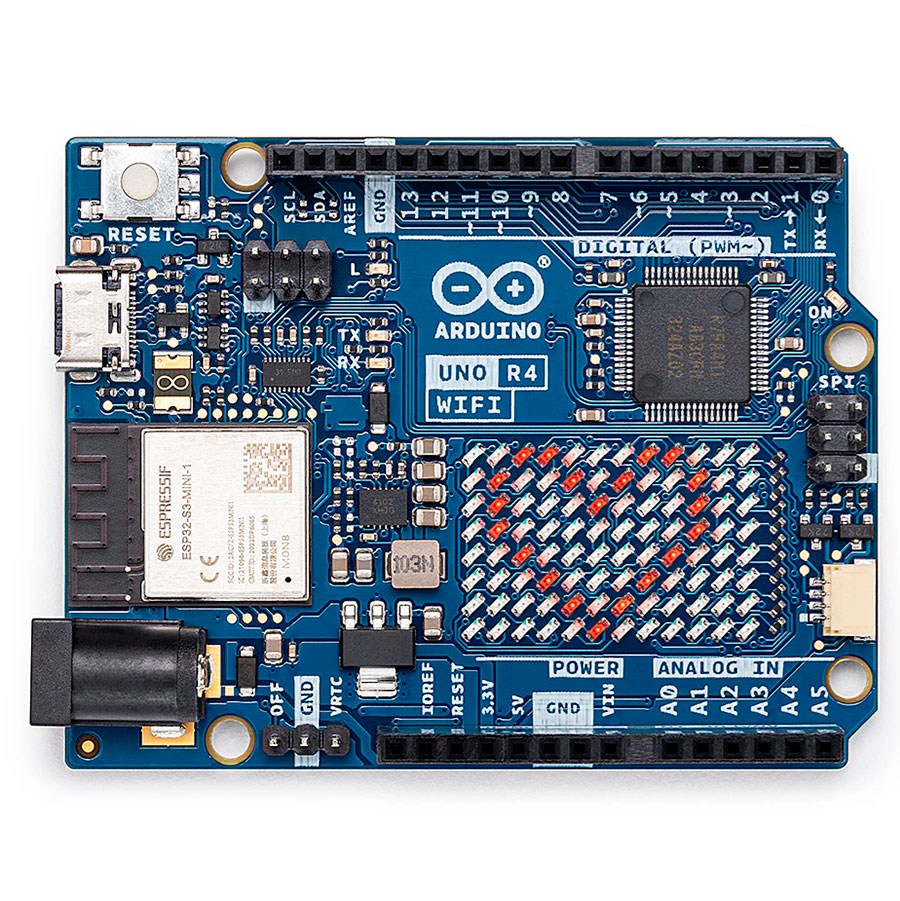
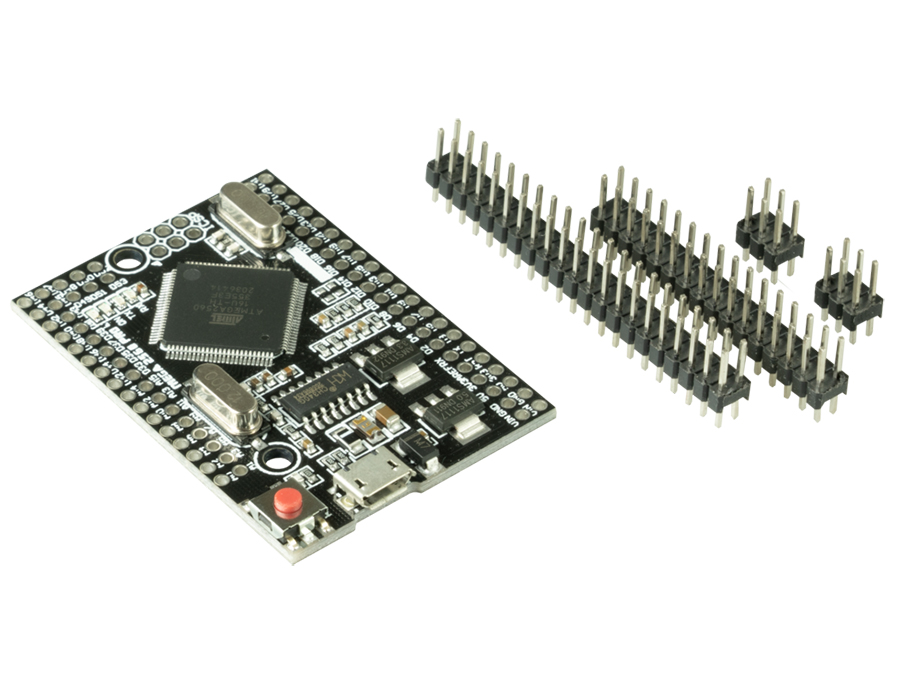
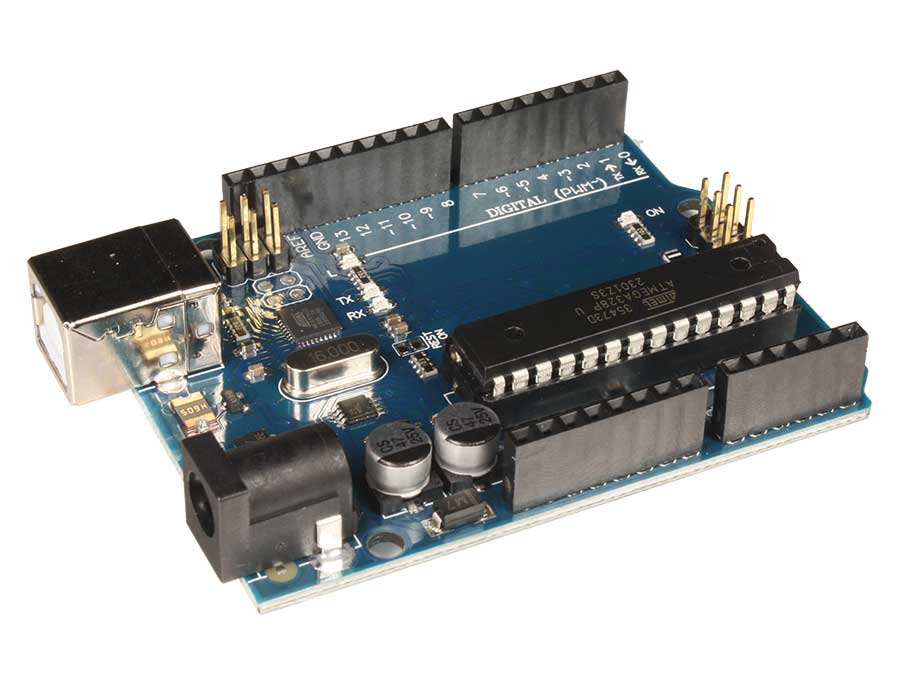
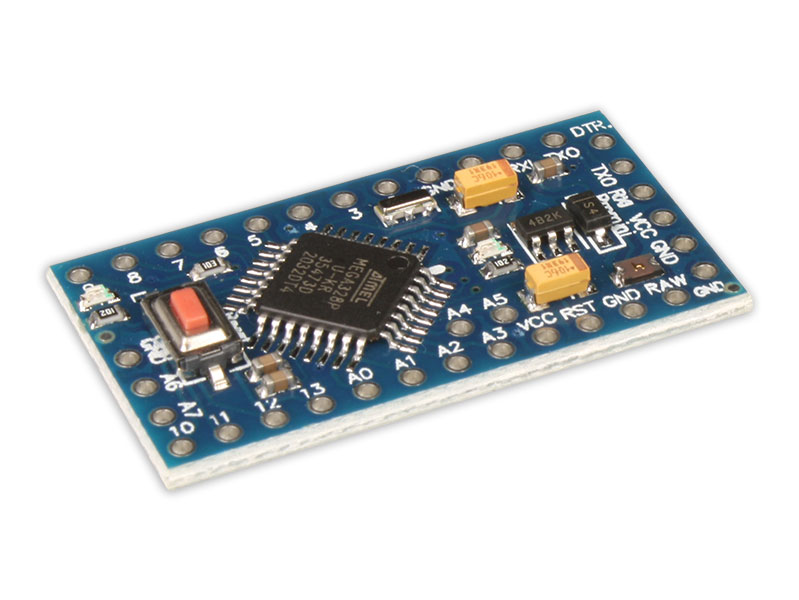
In Electrónica Embajadores, we provide original Arduino boards because we are the official distributors:
ESP32
ESP32 is a family of low-cost microcontrollers that integrate both Wi-Fi and Bluetooth capabilities with a variety of processing options: Tensilica Xtensa LX6 (dual-core and single-core ), Xtensa LX7 (dual-core processor), or a RISC-V.
Usual features of the ESP32
- Processor:
- CPU: dual-core (or single-core) 32-bit Xtensa LX6 microprocessor, operating at 160 or 240 MHz and delivering up to 600 DMIPS
- Ultra Low Power Coprocessor (ULP)
- Memory: 520 KiB SRAM
- Wireless connectivity:
- Wi-Fi: 802.11 b/g/n
- Bluetooth: v4.2 BR/EDR and BLE
- Peripheral interfaces:
- 12-bit SAR ADC with up to 18 channels
- 2 × 8-bit DACs
- 10 × touch sensors (GPIOs capacitive sensors)
- 4 × SPI
- 2 × interfaces I²S
- 2 × interfaces I²C
- 3 × UART
- SD/SDIO/CE-AT host controller
- /MMC/eMMC
- SDIO/SPI Slave Controller
- Ethernet MAC interface with dedicated DMA and support for IEEE 1588 Precision Time Protocol
- Bus CAN 2.0
- Infrared remote controller (TX/RX, up to 8 channels)
- PWM Motor
- LED PWM (up to 16 channels)
- Hall effect sensor
- Ultra Low Power Analog Preamplifier
- Security:
- Supports all standard IEEE 802.11 security features, including WFA, WPA/WPA2 and WAPI
- Safe Boot
- Flash encryption
- 1024-bit OTP, up to 768-bit for clients
- Hardware-accelerated cryptography: AES, SHA-2, RSA, elliptic curve cryptography (ECC), random number generator (RNG)
- Power management:
- Internal Low Drop Regulator
- Single power domain for RTC
- 5μA current in deep hold mode
- GPIO interrupt wakeup, timer, ADC measurements, capacitive touch sensor interrupt